
C is for Childhood Cancer – Description
At sixteen, a leukemia diagnosis derails the author’s plans and reshapes adolescence into a world of hospital rooms, chemo schedules, and medical uncertainty. What follows is a candid account of growing up too fast, where sarcasm becomes a coping mechanism and laughter often coexists with fear. Supported by a steadfast family, devoted teachers, and unforgettable companions met along the way, the author learns to endure treatment while holding onto moments of joy in the most unlikely places.
This memoir goes beyond survival to explore the complicated aftermath of remission. It confronts survivor’s guilt, the emotional whiplash of “getting better,” and the lingering presence of those who didn’t make it out. Healing proves nonlinear, messy, and deeply human—marked by both gratitude and grief, and by the slow process of finding meaning after chaos.
Honest, heartfelt, and still healing, this story is for anyone facing illness, loss, or an unexpected detour from the life they imagined. It offers a reminder that healing has no timeline, strength often comes from leaning on others, and even the darkest chapters can hold moments of light. Ten percent of proceeds support childhood cancer research, because as long as children are still fighting cancer, we can do better.
- Title: “C is for Childhood Cancer”
- Category: Young Adult (YA)
- Genre: Memoir
- Logline: At sixteen, a girl with leukemia is told she’ll probably survive—then spends the next 2.5 years learning that survival doesn’t mean easy. This memoir looks back on treatment, side effects, loss, and the strange, dark humor that carried her through cancer and into the complicated after.
- Publication Date: May 20, 2026
- Publishing Company: Thumper’s Adventures
- Available on Amazon in paperback ($12.99) and ebook ($6.99)
- Paperback ISBN: 979-8-9945075-0-6
- Size: 5.25 in x 8 in
- 241 pages


Media Kits

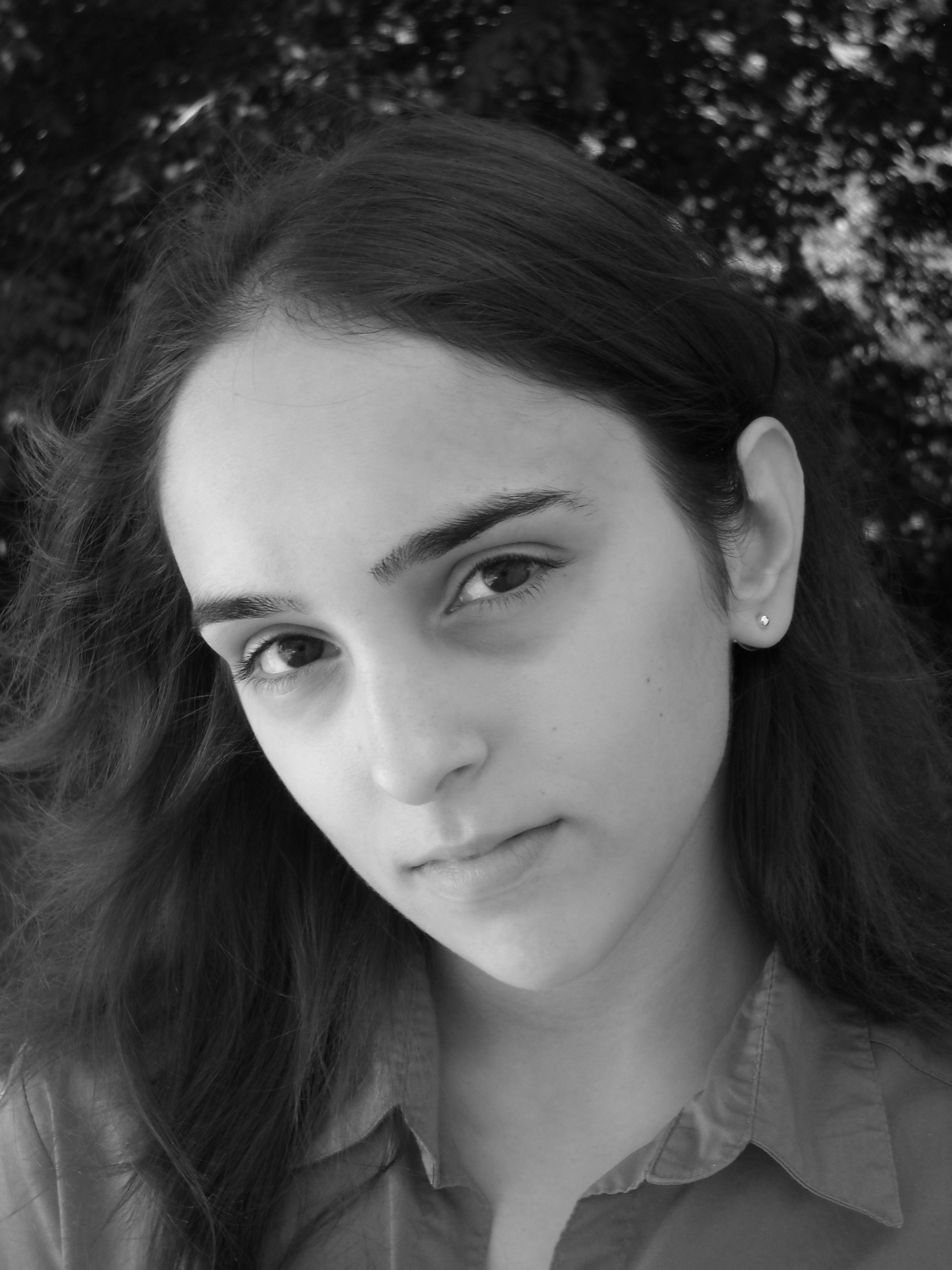
About the Author
Katie Vandrilla (“Van-Drill-Uh”) is an author and dedicated chemistry teacher whose resilience as a cancer survivor shapes her work. A Make-A-Wish recipient, she now gives back as a volunteer Wish Granter. A lifelong traveler (usually to London) and unabashed Johnny Depp/Lana Parrilla fan, she balances creativity with heart. At home, she cherishes time with her family, her husband, and their dog, drawing inspiration from love, gratitude, and the adventures that continue to guide her stories.
Sample Q&A
1. What inspired you to write this memoir?
I wanted to tell the story I wish I’d had while I was going through treatment—one that didn’t sugarcoat the fear, but also didn’t forget the humor. Cancer shaped my childhood in ways I didn’t fully understand until later, and writing this book became a way to process that experience while hopefully helping others feel less alone.
2. You balance heavy subject matter with humor. Why was that important to you?
Because that’s how I survived. Humor didn’t erase the fear or pain, but it made it bearable. Sarcasm became a language of resilience, and I wanted the book to reflect the reality that laughter and grief often exist at the same time.
3. How did cancer change your experience of growing up?
It accelerated everything. I learned about mortality, uncertainty, and loss earlier than most people my age. At the same time, it gave me an unusual perspective on what matters—and what doesn’t—that still shapes how I approach life today.
4. Your book talks openly about survivor’s guilt. Why was it important to include that?
Survivor’s guilt is something many people carry quietly, especially in cancer communities. I wanted to name it, normalize it, and show that surviving doesn’t automatically mean healing is complete. That emotional aftermath deserves just as much honesty as the physical battle.
5. What role did the people around you play in getting you through treatment?
They were everything. My family, teachers, medical staff, and the people I met during treatment kept me grounded when my world felt very small. This book is as much about them as it is about me.
6. Was there a moment during treatment that stayed with you most?
There were many, but what lingered most were the quiet moments—realizing how much joy could exist in ordinary things, even in hospital rooms. Those moments reshaped how I define happiness.
7. How did writing this book impact your own healing process?
Writing forced me to slow down and really sit with experiences I had compartmentalized for years. It didn’t “fix” everything, but it helped me understand myself better and gave meaning to things that once just felt chaotic.
8. What do you hope readers take away from your story?
That healing has no timeline, that it’s okay to feel conflicting emotions, and that needing support doesn’t make you weak. I hope readers see that even in the hardest chapters, moments of light can still exist. And maybe inspire some to share their own stories.
9. Who do you see as the core audience for this book?
Anyone who has faced illness, loss, or a major life detour, particularly young cancer survivors—but also caregivers and people who want a deeper understanding of what survivorship really looks like beyond remission.
10. Why was it important to donate a portion of proceeds to childhood cancer research?
Because the story doesn’t end with me. As long as children are still being diagnosed and suffering, there’s more work to be done. This book is personal, but the mission is bigger than one story.
11. How do you define strength now, after everything you’ve been through?
Strength isn’t pushing through alone. It’s allowing yourself to lean on others, to feel deeply, and to keep going even when you don’t feel brave.
12. If you could speak to your sixteen-year-old self at diagnosis, what would you say?
You’re allowed to be scared. You’re allowed to laugh. And none of this will define you in only one way—you’ll grow, change, and find meaning you can’t yet imagine.